Better ideas. Better writing. More readers.


Why you forget everything you read
The forgetting is normal. Losing it for good is optional.
You finish a book, close the cover, and a week later you can barely summarize the argument. It feels like a personal failing. It is not. It is the default setting.
The research here is blunt. Highlighting feels like progress and does almost nothing on its own.[1] Retention comes from friction: wrestling with an idea, restating it in your own words, and meeting it again at the moment you can use it.[2]
Forgetting is not even the enemy. It is the filter that keeps a mind usable.[3] The real problem is that nothing you save comes back at the moment you are
Sources
Human writing.
Sidelong Research Brainstorming Sourcing
Citations Summaries Recall
The internet has plenty of words.
It is short on writing worth reading.
You focus on writing.
Sidelong does everything else.
Library
Everything you save, ready to use.
One place for the articles, books, videos, podcasts, and tweets that spark ideas. Sidelong summarizes each save, pulls out the key insights, and makes all of it searchable.
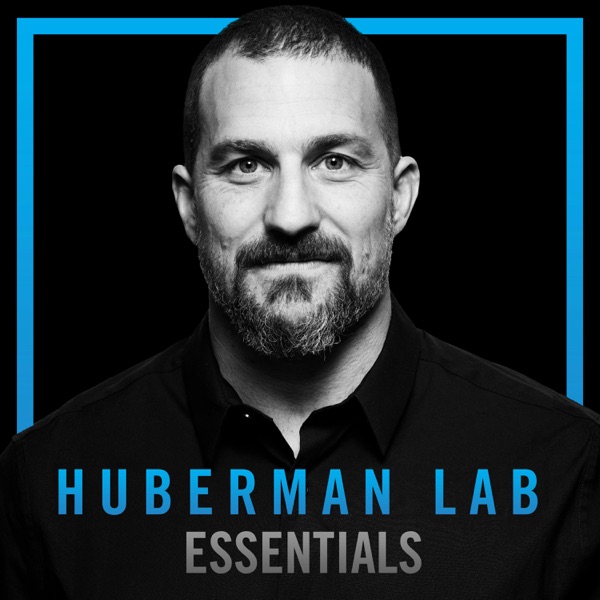
Essentials: Understand & Improve Memory Using Science-Based Tools
podcasts.apple.com/us/podcast/essentials-understand-improve-memoryEditor
Your library finds you while you write.
A clean, focused writing surface. As you type, Sidelong surfaces the highlights, quotes, and insights that speak to your draft, right beside the page.
Why you forget everything you read
Ask Sidelong
Ask or do anything.
Research topics, brainstorm ideas, pull the right sources. Sidelong answers from everything you have saved and cites where each claim came from. It hands you material; every word on the page is yours.
Deep research
A report, not a reply.
Ask Sidelong to research any topic and keep writing. Minutes later a fully cited report lands in your library, organized, sourced, and ready to quote. The one here is real, straight out of Sidelong.
Projects
A home for your publication.
Keep your newsletter, blog, or column in one place. Collect content ideas, keep working notes, and move drafts from first spark to published.
The Forgetting Curve
A weekly letter on learning, memory, and writing well.
Why you forget everything you read
Drafting now. The Hidden Brain episode is the spine, the Farnam Street piece is the counterweight.
The seven-second tax
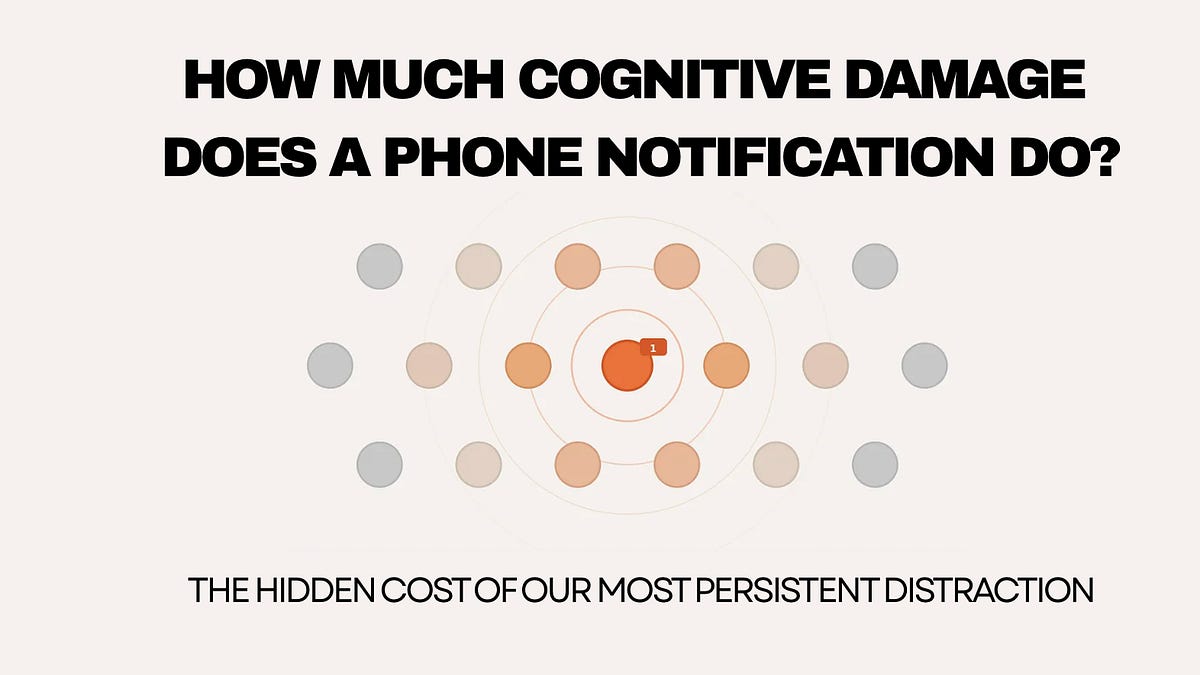
Carl Hendrick's finding: one notification costs seven seconds of re-settling, 150 times a day. Do the arithmetic for a working writer.
Spaced repetition for writers
Ali Abdaal's resurfacing system, applied to drafting instead of studying. The draft is the review session.
What Huberman gets right about memory
The post-learning adrenaline window. End writing sessions hard, and take the caffeine after, not before.
The caffeine window
Huberman's post-learning protocol: adrenaline after the session, not before. Counterintuitive enough to carry a short practical piece.
Forgetting on purpose
Hidden Brain says forgetting is the feature. Turn that on note systems that hoard everything: maybe the archive should decay by design.
Publishing
Written here. Published anywhere.
Substack and Beehiiv send your newsletter. Sidelong makes it worth sending. Write here, publish wherever your readers are, or let Sidelong do the sending too.
Why you forget everything you read
The forgetting is normal. Losing it for good is optional.
You finish a book, close the cover, and a week later you can barely summarize the argument. It feels like a personal failing. It is not. It is the default setting.
Forgetting is not just a side effect of memory. It's not memory failing. It's part of what memory is supposed to do.
The research here is blunt. Highlighting feels like progress and does almost nothing on its own. Retention comes from friction: wrestling with an idea, restating it in your own words, and meeting it again at the moment you can use it.
How it works
From first spark to finished piece.
The same loop for every piece you publish.
Yours
Own your audience. All of it.
FAQ
Questions, answered.
What can I save to Sidelong?
Articles, YouTube videos, podcasts, books and Kindle highlights, tweets and threads, newsletters, and PDFs. The Chrome extension saves whatever page you are on in one click, and newsletters can be forwarded straight to your library by email.
Does Sidelong write for me?
No. You write; Sidelong makes you faster and better armed. It researches, brainstorms, surfaces what you've saved, and suggests edits you accept or reject one by one. Nothing lands on the page unless you put it there.
Where does my writing get published?
Wherever you like. Any piece pastes straight into Substack, Beehiiv, or Ghost, or exports as clean markdown or HTML for anywhere else. And if you want a home here, your publication is a fast, clean blog with strong SEO and a newsletter with sending built in, free.
Can I keep publishing on Substack or Beehiiv?
Yes, that's the point. Copy any piece and paste it straight into their editor with formatting, images, and footnotes intact, or export clean markdown or HTML. If the same piece lives in both places, a canonical URL field keeps search engines pointed at the one you choose. Sidelong's own blog and newsletter are built in whenever you're ready.
Do I own my content?
Yes. Everything you save and everything you write is yours. Export it at any time; nothing is locked in.
Do I own my subscriber list?
Completely. Export it as a CSV whenever you like, and bring an existing list with you when you arrive. A list you built is yours; Sidelong will never hold it hostage.
How does Sidelong use my library?
It answers from what you have saved, and it cites the source it drew from, so you can check every claim. It is a research department grounded in your own library, not a generic chatbot.
How much does it cost?
Every account starts with 14 days of everything, free, no credit card. Drafts, projects, and your hosted publication stay free forever. Plans from $9 a month power the library and Ask Sidelong. See pricing.
How do I sign in?
With an email code. No password to create or forget.
Free to start
Your knowledge is your advantage. Start using it better.
Sign up in a minute. Save your first source in one click.
Get started
Social
Draft the thread. Sidelong posts it.
X threads, LinkedIn posts, Substack Notes, written with your whole library beside you. Connect your accounts once and send them without leaving the page, the moment they're done or on a schedule you set.
You'll forget 90% of what you read this year. Not because your memory is bad, but because forgetting is what memory is supposed to do.
Highlighting feels like progress and does almost nothing on its own. Retention comes from friction: wrestling with an idea, restating it in your own words, meeting it again right when you can use it.
So the question isn't how to remember more. It's how to choose what deserves consolidation, and build a system that resurfaces it at the moment you need it.
I wrote about the science of why reading doesn't stick, and the system that fixes it:
sidelong.app
Why you forget everything you read